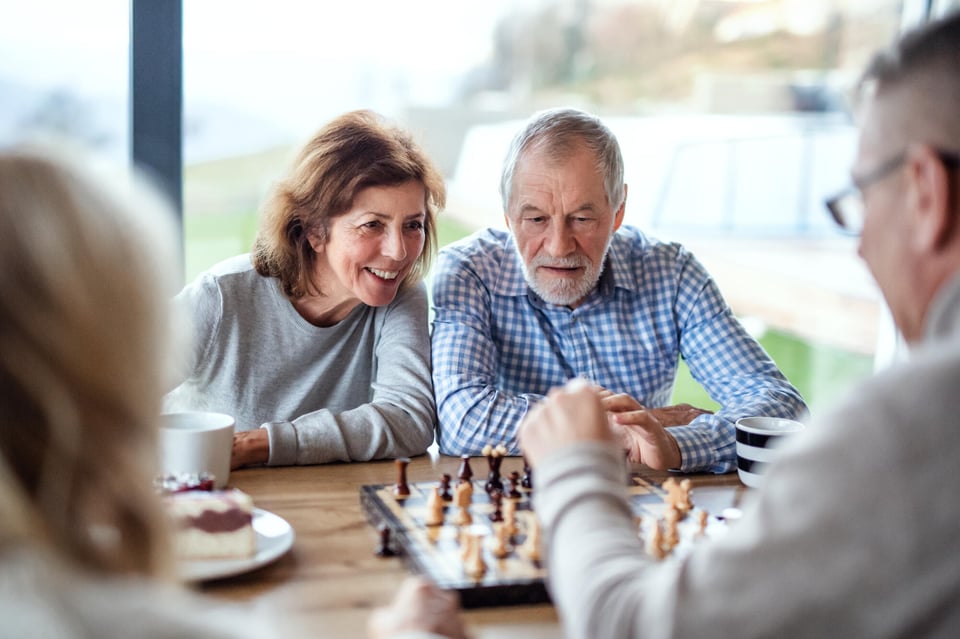
Emotionally healthy relationships shape the senior living experience by creating stability, belonging, and daily reassurance. Seniors thrive when they feel understood, supported, and connected to the people around them. Communities in Famington, CT, that nurture trust and companionship naturally make residents feel grounded from the moment they arrive.
Picture a resident stepping into a new community and being greeted by neighbors who remember their name, staff members who listen without rushing, and a social rhythm that feels calm rather than chaotic.
That first week becomes something different when kindness replaces uncertainty and familiar faces turn into reliable anchors. Many seniors describe their most meaningful turning point not as a new apartment or amenity but as the moment they felt truly seen.
Relationship Wellness in Senior Care: How Do Emotionally Healthy Relationships Improve Daily Life for Seniors?
Emotionally healthy relationships improve social wellness for seniors. A simple conversation in the hallway or encouragement from a familiar staff member can shift the tone of an entire day. These interactions help residents feel recognized and valued, which brings comfort during moments of uncertainty and adds warmth to everyday routines.
Seniors who feel connected often build daily habits that support confidence and engagement. They tend to:
- Join morning fitness classes
- Take part in creative workshops
- Spend time in common areas
- Attend group outings that introduce them to new places
- Gather with neighbors for casual chats or afternoon socials
Strong relationships also reduce the emotional weight of transitions. A new resident who quickly builds trust tends to adjust faster, explore the community sooner, and settle into a routine that feels natural.
On a practical level, emotionally healthy relationships promote better communication. Seniors are more likely to share feedback, express needs, and ask for help when they feel respected and understood. This helps staff tailor support that fits each resident's comfort level, which increases independence and creates a more enjoyable living experience.
How Do Group Activities Encourage Emotionally Supportive Relationships?
Group activities give seniors natural entry points for forming relationships that feel comfortable and supportive. Shared experiences help residents break the ice without pressure, turning simple moments into opportunities for connection. When seniors:
- Paint together
- Join a fitness class
- Play cards
- Gather for music programs
They participate in conversations that feel relaxed rather than forced. These interactions build a sense of familiarity that helps relationships grow.
Group settings also help residents discover neighbors with similar interests. A senior who meets others during a cooking demonstration or a book discussion often feels encouraged to return because the environment feels warm and inviting. Over time, these shared interests form the basis for supportive friendships that extend beyond the activity itself. Even small routines help seniors look forward to the day with purpose.
Communities that offer varied group opportunities create a healthy rhythm that strengthens emotional wellbeing. Regular engagement gives seniors a chance to express themselves and feel included in a community culture that values connection.
Senior Self-Expression
Senior self-expression plays a meaningful part in building emotional support in aging. When residents feel free to share their thoughts, preferences, and stories, they begin forming connections rooted in authenticity rather than routine. Creative outlets such as:
- Art sessions
- Writing groups
- Music circles
- Discussion gatherings
Give seniors space to express who they are. These experiences help others understand their personalities, interests, and histories, which strengthens bonds and fills daily life with a stronger sense of identity.
Self-expression also gives residents a way to communicate emotional needs in a natural, respectful way. Seniors who feel comfortable speaking up often form more trusting relationships with staff because they know their voices matter. This kind of open communication helps teams tailor support to individual comfort levels.
Communities that encourage residents to share their ideas, explore new interests, and revisit familiar passions tend to see higher levels of confidence and engagement.
FAQs
How Do You Choose the Right Senior Living Community?
Choosing the right senior living community starts with understanding what feels most supportive for the person who will live there. The search becomes easier when families pay attention to daily life inside the community rather than focusing only on amenities.
Visiting in person and observing how residents interact reveal far more than brochures ever can. A community that feels warm, organized, and genuinely attentive often creates smoother transitions.
It also helps to look closely at activity calendars and shared spaces to see how well they encourage connection and engagement.
Families can ask about wellness programs and how the team responds when needs change or memory care connections are needed. A community that feels welcoming, consistent, and easy to navigate is usually a place where seniors can build confidence and enjoy a fulfilling lifestyle.
How Can Seniors Downsize for the Move To Senior Living?
Seniors can downsize more comfortably when the process is broken into small, steady steps that focus on what will matter most. Families often begin by sorting items room by room, setting aside belongings that:
- Carry meaning
- Serve a purpose
- Fit easily into the new floor plan
- Offer comfort or familiarity
This approach keeps the move grounded in practicality while still respecting personal history. Donating or gifting unneeded belongings to friends or local organizations brings a sense of closure and purpose.
How Can Families Support Emotionally Healthy Relationships for Loved Ones in Senior Living?
Families support emotionally healthy relationships by staying present, consistent, and genuinely involved in their loved one's new routines.
- Regular visits
- Phone calls
- Video chats
- Shared outings
- Celebrating personal milestones
Give seniors a strong emotional anchor that helps them feel connected. These touchpoints steady the transition and remind residents that their relationships outside the community still matter.
Families also strengthen emotional wellness when they collaborate with the care team. Open conversations about:
- Preferences
- Senior living communication styles
- Hobbies
- Comfort levels
Help staff understand the resident.
Build Emotionally Healthy Relationships in Senior Living Today
Clearly, emotionally healthy relationships in senior living make everything better.
At Discovery Village Farmington, emotionally healthy relationships shape daily life. Residents feel supported, welcomed, and genuinely known, which makes settling in feel natural and staying engaged feel effortless. If you want a community where friendships grow easily and care feels personal, our team is ready to help you take the next step.
Connect with us today to explore floor plans, pricing, and availability.